What makes a good logo? A good logo is distinctive, appropriate, practical, graphic, simple in form and conveys an intended message.
There are five principles that you should follow to ensure that this is so…
An effective logo is (in no particular order):
- Simple
- Memorable
- Timeless
- Versatile
- Appropriate
1. Simple
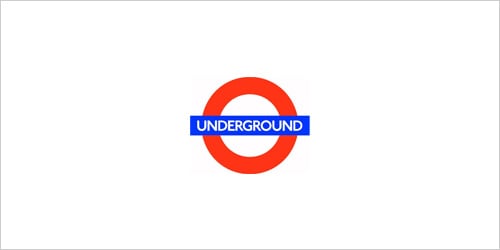
A simple logo design allows for easy recognition and allows the logo to be versatile & memorable. Good logos feature something unique without being overdrawn.
While in college in the mid-70’s an instructor introduced me to the K.I.S.S. Principle of design; which translates to: Keep It Simple, Stupid. It does convey a very important design consideration. Simple logos are often easily recognized, incredibly memorable and the most effective in conveying the requirements of the client. A refined and distilled identity will also catch the attention of a viewer zipping by signage at 70 miles per hour, on packaging on the crowded shelves of a store, or in any other vehicle used for advertising, marketing and promotion. Remember, the basis of the hugely effective international branding for the world’s largest shoe manufacturer is a very simple graphic swoosh.
2. Memorable
Following closely behind the principle of simplicity, is that of memorability. An effective logo design should be memorable and this is achieved by having a simple, yet, appropriate logo.
You may be interested to see some examples of bad logo designs.
Surprising to many, the subject matter of a logo is of relatively little importance, and even appropriateness of content does not always play a significant role.
This does not imply that appropriateness is undesirable. It merely indicates that a one-to-one relationship between a symbol and what it symbolized is very often impossible to achieve and, under certain conditions, objectionable. Ultimately, the only mandate in the design of logos, it seems, is that they be distinctive, memorable, and clear.
3. Timeless
An effective logo should be timeless – that is, it will endure the ages. Will the logo still be effective in 10, 20, 50 years?
Leave trends to the fashion industry – Trends come and go, and when you’re talking about changing a pair of jeans, or buying a new dress, that’s fine, but where your brand identity is concerned, longevity is key. Don’t follow the pack. Stand out.
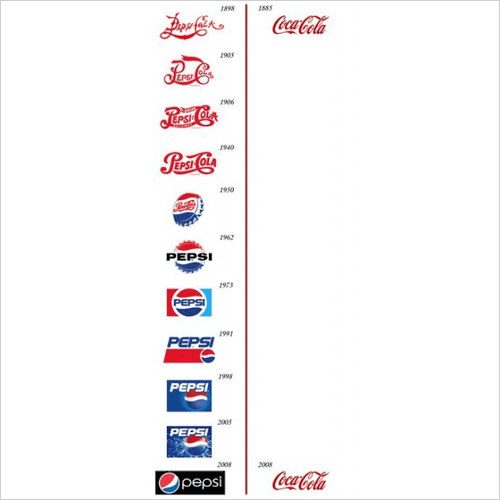
Probably the best example of a timeless logo is the Coca-Cola logo… if you compare it to the Pepsi logo below, you can see just how effective creating a timeless logo can be. Notice how the Coca Cola logo has barely changed since 1885? That is timeless design.
Update: 8/08/09 – Underconsideration has posted an updated timeline of the Pepsi vs CocaCola logo. Thanks for the tip off Jon.
4. Versatile

An effective logo should be able to work across a variety of mediums and applications. The logo should be functional. For this reason a logo should be designed in vector format, to ensure that it can be scaled to any size. The logo should be able to work both in horizontal and vertical formats.
Ask yourself; is a logo still effective if:
- Printed in one colour?
- Printed on the something the size of a postage stamp?
- Printed on something as large as a billboard?
- Printed in reverse (ie. light logo on dark background)
One way around creating a versatile logo is to begin designing in black and white only. This allows one to focus on the concept and shape, rather than the subjective nature of colour. One must also remember printing costs – the more colors used, the more expensive it will be for the business over the long term.
I like to work first in black and white to ensure that the logo will look good in its simplest form. Color is very subjective and emotional. This can distract from the overall design – say if you saw your logo in all red, that color may be the first thing that you respond to and not the composition of the design elements. I will not even consider submitting color suggestions to a client for review until they have signed off on a final black and white logo.
~ Patrick Winfield
One should also familiarise themself with the commercial printing process so as not to come into printing problems further down the track. Learn to know the difference between the CMYK, Pantone and RGB color systems. When designing logos, the Pantone colour system is recommended.
5. Appropriate
How you position the logo should be appropriate for its intended purpose. For example, if you are designing a logo for children’s toys store, it would be appropriate to use a childish font & colour scheme. This would not be so appropriate for a law firm.
It is also important to state that that a logo doesn’t need to show what a business sells or offers as a service. ie. Car logos don’t need to show cars, computer logos don’t need to show computers. The Harley Davidson logo isn’t a motorcycle, nor is the Nokia logo a mobile phone. A logo is purely for identification.
For further evidence of this, take the top 50 brands of the world – 94% of the logos do not describe what the company does.
Paul Rand also has a say on this topic:
Should a logo be self-explanatory? It is only by association with a product, a service, a business, or a corporation that a logo takes on any real meaning. A logo derives its meaning and usefulness from the quality of that which it symbolizes. If a company is second rate, the logo will eventually be perceived as second rate. It is foolhardy to believe that a logo will do its job immediately, before an audience has been properly conditioned.
What makes a great logo in your opinion? See here for what makes a good brand?
Recommended logo design resources:
- The Ultimate List of Logo Design Resources
- Top 10 Logo Design Inspiration Galleries
For the extended version of this article visit Smashing Magazine: “Vital Tips for Effective Logo Design” .



This is a great article Jacob. I’m dealing with a particular client right now that does not understand what a logo is, what a logo stand for, etc … and it doesn’t matter how well and simple I explain to them … this article will help them out greatly … thanks man!
pher
Nice post. I agree with all the said points. In fact, we follow a similar process. Minimalistic and simple designs last longer and stay evergreen. Its tough explaining to clients sometimes. But, we win most of the time. Cheers
Great article. I think the Pepsi vs Coca Cola is especially valid and interesting. A similar comparison could probably be also done with IBM and many other tech companies relative to Rand’s genius for timeless ideas.
Thanks for posting!
Daniel
Excellent article!! Very good key points and clear explanations. The Pepsi vs. Coca Cola comparison is such an eye opener on great and effective design.
me to i support the cocacola logo.its true timeless
Great article!Great design has a hook, some thing that make a lasting impression on you and provokes a response.
You know, I’d put appropriate as No. 1 on the list. If the logo is for a prestigious university, but has a logo that looks like Toys R Us, it won’t connect with the audience — it will betray the brand. This is part of the reason we’re so upset with the London 2012 logo.
This article clears some of my confusion- so thank you. My senior year of art school (at Ringling), they redesigned their logo. They had a classic logo (of a star inside a hatched circle), but was afraid it tied them too much to the circus, which is understandable. After a year working with a highly reputable design firm, they created an “ever changing” logo involving a “golden rectangle” frame in black surrounded by images. The collateral about the logo had three paragraphs explaining the logo and what it meant. I have always felt, that if you need more than a sentence or two to describe what that logo signifies for a brand- it doesn’t serve its purpose as a logo.
This is good! I can use this article to reinforce what I tell my clients — who sometimes seem to think that I’m just giving them my opinion, not the benefit of my education and experience, and not the accepted norms of the design community.
Another greatly clarifying article, Jacob =)
I’m finding the quote from Paul Rand most interesting though because i’m currently thinking of ideas for an identity of an area (uni assignment) and am finding it hard to come up with something simple yet different *and* explanatory about the area…
Eek!
Excellent article Jacob, these principles are really important for every designer, and the way you explain is really clear and easy to understand for everyone I think.
Amazing how the Coca-Cola has never changed, I never noticed until I saw it on this post. I guess they call it “classic” for a reason.
Duhhh, Retard.
Shut up James
“A logo can be drawn in sand with fingers”
That is my first rule to make logos.
What a great line!
Interesting. Now onwards it will also be one of my rule for logo design.
I think Simplicity has a direct impact on Versatility. Having a logo that is flexible, adaptable, that works in color, white, and looks as good on a coffee mug or embroidered on a shirt, as it does on a business card, is what helps make it Timeless and more valuable.
Great list, thanks for sharing.
It’s tough to define, design and think the simplicity, because we fill bore when we deign simple logo, which actually relate to our real world and easy to express.
Again, an excellent post that reiterates much of what I’ve read from your past articles as well as other logo design blogs out there.
I don’t know why there’s so many Pepsi logo updates. In my opinion, by far, the 1973 version is classic, and should have been mildly modernised, not destroyed!
Andrew, I couldn’t agree more! I think the 1973 is not only my favorite but it can still be applied to any medium and in black and white and it would still be a good logo.
Great article. =)
Love this post! I’ve just recently stumbled upon your website at work (summer job at in office in between semesters at my University where I’m studying graphic design). It’s been a few days since I’ve discovered it and I’ve already read through all the blogs! Clearly I have a lot of time on my hands. But I found them extremely helpful and very well put together.
But just out of curosity, how did you develop such a thick skin? I’ve noticed that you’re very open to criticism, which i think is great, but it’s something I’ve been struggling with. I enjoy criticism during the process of design, I find it very necessary. But at the end of a semester we have a one-on-one critique with our professors and this past semester I took the critique too harshly. I guess it was a matter of me being too hard on myself, rather than accepting and learning from the critique itself.
If anyone else has advice on this matter for me, it would be greatly appreciated! I love design and criticism is absolutely a part of the process, and I understand that. Hope to hear from you.
Luis,
I do try to explain things in a more simple way so as that more people can understand them. I think it gets the point across a lot better.
Harorabhjot,
Part of our job as designers is about educating the client and if you can do this, half your job is already done.
Daniel,
The IBM logo is another great example, along with much of Rand’s work. His book Design, Form & Chaos is a great insight into his mind and design as a whole – I think you would find it quite interesting.
Dame, Blue Print,
I thought it was a great example too. You should also check out this post on coke and pepsi advertising wars.
Prescott,
I wasn’t meaning for any of them to be in any particular order and have since added that disclaimer in the article though what you are saying is quite correct.
Beaulys,
At first I thought that you were saying logo design is as easy as drawing in the sand, but after re reading it, I realised that you are referring to the simplicity of logo design – a logo should be simple enough, it can be drawn in the sand. Interesting way of looking at it, though I don’t think it could be applied in all logo designs.
Davina,
I believe the five principles listed all work together to form a “good” logo but yes I agree what with you are saying.
AnnMarie,
I actually thought of a circus when you first described Ringling and then realised there is a Ringling’s circus… but hey art is about fun too. I had a quick google of this golden rectangle you describe and from what I first see I think it works great – very dynamic and great for an art/design school though not all agree. In regards to describing a logo, it does help to have a describable logo, and those that are, are usually the most memorable which in turn means they are simple.
Nancy,
As I said to Harorabhjot, part of our job as designers is about educating the client and if you can do this, half your job is already done.
Daphne,
That is why many consider logo design as the hardest part of graphic design – it’s not easy to combine a whole businesses philosophy, values and goals together into one unique, memorable, simple, versatile, timeless and appropriate icon.
Really good points my friend but I have to disagree with the Pepsi Vs. Coke thing. I think the reasoning behind Pepsi is change. They always advertise for new generations in their commercials(especially the most recent ones).
Andrew, Tracy
I also quite like the 1973 version, maybe without the rectangle bits on the sides so it is just the circle.
Kaitlin,
Developing a thick skin is just something that you need to learn – like you say, it is part of the learning process. Without criticism, how will you improve? Just take things with a grain of salt and you will be fine but remember you can’t please everyone.
Kirin,
I am not quite sure what you mean by “advertise for new generations” but if you had a timeless design, there would be no need change – that is the point.
You may be too young to remember “The Taste For The New Generation” ads Pepsi had during the early nineties, if you ever watch Wayne’s World The Movie you’ll see what I’m talking about:). As for Pepsi’s logo change, I believe this is done on purpose to keep up with the current trends. Of course this goes against some of the rules in creating a logo…but rules are meant to be broken;)
Did you make that graphic of the Coke evolution? It has gone entirely viral and it is annoying because it’s a lie.
Look up the old Coke logos. It was entirely (ENTIRELY) different in 1885.
Kiren,
I don’t recall the ads, but that would be more due to the fact that I don’t watch TV. In regards to Pepsi’s logo changes, yes this is done on purpose though if it were timeless, it wouldn’t need to be changed.
Tim,
No I did not create it, nor do I know the origin of the maker though I looked up the early Coke logo and it is not entirely different at all. In fact, it’s nearly exactly the same.
So we’re going to pretend that the New Coke, Coke, and Coke Classic logos never existed?
Paul, up top, said what I came to say. A bad client won’t recognize or buy a good logo. I wish the self evident ‘goodness’ of the logo would shine through, but for them it just doesn’t.
Those clients are all about logo treatments, not ideas. Shiny, gold, marble, luminous, multicolored, whatever, etc… The last thing they want to hear is you are using Illustrator instead of a motion-blurred VRay render.
Brilliant post! Many clients often want their activity reflected on their logo. Ridiculous? yes. But no more ridiculous than trying to explain logo design to them. This article will be a great deal of help next time I encounter the same problem. Cheers!
A great and very helpful article, no matter how much a person can read about logos there’s a lot to learn.
But I was thinking the Timeless thing. It’s true that a never changing logo makes it more Memorable but doesn’t changing it helps in sales?
For example everytime Pepsi change thier logo (with thier packaging of course) people seem to buy more just to make sure they still tatse the same.
I don’t know if I made my point clear, but what i’m trying to say that changing teh logo is not always a bad thing.
Thanks for the article. I would also add ‘Scalable’ to the list, as a logo also has to be able to work on lots of different formats/sizes. The logo also need to also be able to transpire well when used in black and white – which is another factor to consider when designing a logo.
Hi,
just want to let you how useful is your blog; extremely informative and lively.
I enjoy designing a lot and I have been impressed with your logos that I find intelligent, creative and original.
Your blog is collects a number of very usefulf resources and advices.
Many compliments and keep up the excellent work!
Marco
Thank you for the really nice article. I’d like to add magic word 2D. It is vitally important to insist and make your client to believe you that 3D crap he/she wants is well, just crap… I bet you know what I mean. those fancy 3D letters and logos made in 3D Max … logo MUST be 2D
one more (maybe even number 6 to your list):
ability to draw it on the wall with a chalk
Mercedes, VolksWagen etc….easy to remember, easy as hell to draw even if you are totally unprofessional painter . This is a must for really good logo and it fits your “SIMPLE” idea
Best regards from Toronto
Mike
Thanks for the helpful article, great quote by David and the Coca Cola vs the Pepsi timescale really works well to illustrate the point. I think sometimes designers get carried away with logos and create complex designs following the 2009 logo ‘trends’ although it will look pants in 2010.
You should check out the recent post over at Brand New to clear up the coke vs. pepsi misinformation caused by the graphic you used in your post. While the basic point is still valid the idea of Coca-Cola never changing their logo is false.
http://www.underconsideration.com/brandnew/archives/coca-cola_vs_pepsi_revised_edition.php
I really like the time line of the pepsi logo and coca cola logo. It shows how you can create a solid logo and never have to worry about changing it to keep it ‘updated’
Joseph, Bebop,
A designer wears a lot of hats and one of them is for educating the client, helping them to see the quality of the end product and how it will benefit their business.
Mandy,
To me this would be under the ‘versatile’ heading. A versatile logo would have to be scalable to be versatile and yes most logos do need to be able to work in just one colour.
Arwa,
Companies often rebrand to reflect changes in the market – often it does good for the company, but not always, as has been proved many times this year (think Tropicana). Changing the logo is not always a bad thing – I agree with you.
Mike,
In most cases a logo should be able to work in just 2D, though you can have different versions to ensure that it works across all mediums. KISS = Keep it simple, stupid.
Marco,
Thank you for your kind words.
Jake, BlindAcreMedia,
Please do see the post on Under Consideration (in Jon’s comment). It seems the time line was not entirely correct.
I love the timeless timeline because it shows how a company like Pepsi can remain relevant and incredibly successful even when they change their identity. And in some ways, Pepsico, the parent company is beyond widely successuful, as they’re one of the biggest food/bev manufacturers in the world.
Kinda reminds me of Fossil Watches. How many different logos and tins did they have? a TON!
there is so much more to managing your business’s success than getting wrapped up in whether or not your logo is timeless. And with that, you need to look at point 5, “appropriate”. What are you selling? How are you selling? Who is your customer? It might be more appropriate for your business to update your logo as your customers and your brands shift.
If you haven’t read it yet, you should pick up the Brand Gap by Marty Neumeier. ….great book. 🙂
c
I can’t remember how I came across your site- but after reading this, I’ll bookmark your site and read more when I have some more time.
This is a great article and as well as I think I may be able to make a logo, this article points out things I tend to forget.
AWESOME MAN.
Great post … It’s a shame that a lot of businesses these days are going for the cheap logo alternatives … It’s their loss I guess.
Here are some tips on designing a logo on a tight deadline.
Great post. I am not graphically gifted, but in my experience one of the most important rules is your #4 – has to work in B&W and color, all sizes. I’ve written marketing guides that explain how corporate logos can be used. Some just aren’t versatile enough to do a variety of jobs. Meanwhile, that list of 100 great logos is a hard hitting demonstration. In my personal list of great logos, the old Digital Equipment Corporation logo is right up there.
I think many of these old rules don’t apply when the logo is used mainly on the web. You can have much more details and colors than on print and the logo will still “work”.
“I think many of these old rules don’t apply…”
If you try and reinvent a hammer, you’ll end up with a hammer that just doesn’t work right.
The fundamentals of good logo design are a known quantity and fixed permanently. The closer one adheres to these well established rules, the better your work will be received by the public. Deviating from the formula – and you can if you wish – simply results in logos that communicate something negative to the extent of the deviation you might make. All one has to do is go look up some “bad logos” posts to see some of these deviations.
Good post Jacob. I agree to all design principles mentioned above, but I strongly feel that understanding client breif and what exactly is the requirement is the key to a good logo design.
Offcourse the simple the design the more the IMPACT… secret of branding.
keep posting good articles.
Thanks
Shailaja
Hey Great article!, im studing Graphic Design at the moment and this article puts the logo design side of things in great perspective. The comparison of Pepsi and coke realy gets the msg across nice work
I’m currently in the process of creating a logo for a person that is not paying what its really worthy in comparison with the work and time that I’m investing. But at least I’m taking this opportunity to practice and use it as part of my experience, even though I feel so frustrated and stock, I have several days researching and making sketches but still feeling that I’m not going anyway with this ideas and I feel stock.
I’m really sad to see how people do not really value the work that as professional graphic designers we have to do to create an unique and professional logo. Thanks Jacob for this articles, I’m glad to find a community of graphic designers, I feel supported. If you have some articles about what to do when you feel stock creating, I will appreciate it..
Thanks
I’m in the process of creating a logo for a school project and can’t decide whether i want to place it inside a coloured square or just have the symbol on it’s own on a white background with the company name underneath. What’s more versatile? Box or no box?
A good design is never an accident. It is created …
Really interesting post, Jacob. Those points are spot on, and the detail you go into is very useful. I wish more clients knew this sort of stuff, and the challenge it is in meeting all of these elements in designing a good logo.
Alex
Haha, I like the Coca Cola & Pepsi comparison. Good one. Your site is very resourceful btw. 🙂
The illustration of really apt logo designs have brought forth each point of the article in very emphatic way.Very well presented
Jacob,
I have been thinking about your approach to ‘teaching’ the elements of what makes a good logo. From my experience in this field, even I don’t feel in a position to impart such ramblings–sorry if that is harsh but this is my responsibility as a fellow designer-All the comments you make in this post are entirely subjective. Even the word ‘good’ is subjective. I think you need to reconsider the overall approach to how you ‘teach’ your message. While I appreciate your motive, I urge you to please re-evaluate this whole JCD platform.
I know this might seem out of the ordinary, however this has been a long time coming. Don’t take this personally. I wish you the best of luck.
David,
Although I understand where you are coming from, I try to teach in the most objective way possible. Of course, everyone will have their own opinions on what makes a good logo, it is very subjective by nature. I do realise this, which is why I compiled this article with quotes from various other professionals in the field, all with their own opinions. People can then use this as a foundation and then build upon it.
And yes, I do find your comment out of the ordinary, especially considering the many articles on your own personal site that have this same approach. But don’t get me wrong, I appreciate your opinion and would like to hear more on the matter. Feel free to comment here or email me. Thanks David.
Thanks for the great article. You really put your point through using some highly respected brands!
I simply loved the Pepsi-Coca Cola logo comparison based on the ‘timeless’ factor.
thanks for this tutorial.Now i can easily understand importance of a logo and hope can teach my friends as well.
Excellent article, useful examples, simple and memorable – Great!
Good examples of 5 principles logo design.
being a new designer..i have really learnt a lot from your article. bavo
Hi, I always look to your posts because they are very helpful. But that lifetime of Coca Cola logo evolution might be mistaken. Coca Cola logo did change, and comparison needs to be fair. Even more, if you click in the link that you put up there, it would take you to a page where says that this chart is wrong, then they show the correct one.
Thanks for this list. Logo is very important for any brand
Hey, I am not a logo designer or something like that. I am just organizing my self to open up a website but wanted to first research about logos. I am not searching any further because I love the way you’ve presented this article. You have included what other logo designers think about the points you have presented. I like that personally.
Thanks.
Peter.
I wanted to thank you for this great read!! I definitely enjoying every little bit of it I have you bookmarked to check out new stuff you post.
Very well put. I think many people overlook the important points mentioned in your article.
This is a great article Jacob…Those points are spot on, and the detail you go into is very useful. I wish more clients knew this sort of stuff, and the challenge it is in meeting all of these elements in designing a good logo.
An effective logo is (in no particular order):
* Simple
* Memorable
* Timeless
* Versatile
* Appropriate
but i think these 5 step can makes the good logos as well as if we follow these simple step in our life style we can also become successful in life….in every field these step can work…
thanks for sharing such a nice article
I love this, thankyou.
I am now showing this article to all of my clients who want logos.
Nice article and blog Jacob! Just a question though, i’m a newbie in this field and a student. I’m a bit confused..Does logo designing implies that you need to make sure that the font you will use should NOT use any free standard issue fonts? Does it mean, you always need to buy fonts in every logo design or would there be any software you can suggest that allows you to design your own font? I appreciate your help.
All logos are wonderful indeed. The designers are very creative.
Yes, I fully agree with you. Just wanted to add one more point Logo should be captivating as well
Thankyou for the help. I used theese 5 tips for my IT homework and got an A* xxx
I think the illustation of both pepsi and coke just shows how getting that logo right first time can make it for you, can you believe in 1985 they had that same coke logo we do now in 2010? it’s rather amazing and just shows the strengh of that logo
Excellent thinking. Everything you’ve said you’re right. Thank you for your excellent post
Great article and website in all. I am new to Graphic Design and have just completed my first Semester of study. ALl these tips and guidlines are great. Keep up the good work
McDonalds is probably the most memborable logo for everyone. Who can’t remember the two fingers drawing the M out on the tv commercials.
I would add one more principle. The logo should be deep. It’s hard to catch but when it’s so it distincts cheap companies from respectable.
The timeless logo of Coca-cola really inspires me. It has some minor changes in background, some additional designs on the side, but the font, curves & shape still remains. A classic example of successful branding, much like the bottle design.
this really helped me a lot 😀 i am making a logo for some coursework, and I had no idea what to do, so thanks 😀
Jacob, Great stuff, thank you for sharing. I think the timeless logo is obviously one of the hardest things to achieve but if it is accomplished it is something that will net you recognition and revenue. I recently worked with some great logo designers to create my logo for my own business. Here is hoping that 50 years from now it will be similar!
Thanks!
-Mark
The tutorial has been a great inspiration for me . I think it is one of the best ones i have seen . Keep it coming.
One thing not to forget, indeed, is that people have to memorise your identity.
Thanks for the Post. One thing i always prefer, is for a website, logo is important very much.
wow, so nice website, so usefull and good work ,congratulations and thanks. xD
Great Informative (and educational) post.The Pepsi & Coke comparison is very telling.
Great points, well made. However (and my lack of experience in the field of graphics may be obvious here) but it’s easy to make these points with examples such as Coca Cola (like everyone else does). I believe that Coca Cola and the like are not necessarily great logos. Had they been designed just the other day for a small and up and coming soft drinks manufacturer then they may have been rejected. The marketing and constant exposure behind (or in front) of these logos is what makes them memorable not the design. Pepsi has changed so often as it has constantly battled to move out of Cola’s shadow. Same with Google. Proof of a bad logo being burned into our minds. We’re eventually convinced a logo is timeless because we attach so much emotion, feeling and memories to a it… or are we attaching those feelings to the experience of the product/service and marketing?
Thanks so much for your blog post. I’m working on re-branding for our company and these tips will come in so handy! Thanks!
Would you say it’s more professional to have a logo made up of words or is it appropriate to add a symbol or image if the company name lends well to it?
Very educational post i liked the Pepsi & Coke comparison.
Great article!
I like your article, I can not strong English but i should to read your article and understand it.
It need for my works and a development for my works.
Thank you very much.
Great article. I really like the Coca Cola example 😀 I don’t know how about you but I don’t like the new Pepsi logo
Thanks for sharing so much knowledge about logo design, Jacob! I am learning a lot and it’s big fun to read your articles!
Your work is fabulous!
Its just the most simple to understand article about logo design,i just loved it totally.The most simple yet complete and explaining the purity and main point behind the topic.do keep sharing these kind of posts,they are really helpful in making our mind to good designs.
Awesome! Very informative post. I have learned that there are five principles of Effective Logo Design. Will apply what I’ve acquire in this post on my website. 🙂
Also, your website’s graphic is crucial particularly when funneling visitors’ information through opt-ins. It helps in converting visitors to customers.
Você acredita mesmo que a perenidade da logo da Coca-Cola é devido ao desenho?
As a starting graphic designer, I refer to alot of web sites and books for some help. I am glad to say that your site is one of the sites I look at for knowledge and education. I thank you for what I have learned by reading your posts. I have been reading your posts since mid 2010, and you continue to educate. Great Job.
The only thing that I see as puzzling in this post though, is, exactly how is it that one makes a memorable logo? I personally think that, to some extent, it’s upto the Company it’s self to determine whether or not the logo will be memorable. If you follow the other four principles you can still have a good logo, but if the company decided that the logo is not to modern enough, or if they just wanted to change their image, then how does one achieve the longevity one is looking for? Regarless of what the logo looks like, many companies decide to change their look.
We can take the same example of Pepsi, and I know others have mentioned this before, but the Logo that I believe is the most memorable is the 1970’s logo. As you mentioned before as well, minus the rectangles. That logo just wows me evertime i see it, as opposed to their 2008 logo. Nothing in the Pepsi company said memorable like the classic Pepsi of the 70’s. Though 70’s logo still a memorable logo, I think they pulled off a pretty good logo during the 90’s and the mid 2000’s since the concept and the font was consistant with the 70’s logo. In short, I feel as if since 2008, the Pepsi brand has not been the same.
Im a junior in high school and want to become a graphic designer and I’m right now in an advanced graphic design class. You have no idea how much your article has helped me!! Thank you thank you thank you. By the way your portfolio is awesome!
wonderful and informative article about logo design and really useful examples
Every designer knows how frustrating it is to work with a difficult client. In the future, we’ll suggest that our clients who want a logo designed read this to have a better understanding of the elements that go into logo design.
The Logo from the London Underground is realy Simple an Timeless! I like it.
Great article Jacob! Thanks for sharing such a good information. A logo can make a company rise as well a destroy it. It’s a very important decision that has to be taken seriously. I think Pepsi made the mistake at first by making its logo similar to Coca Cola’s
This is Great Article Jacob. I really love the article, and the way you wrote. Making a good logo is to make a logo which explains the matter.
I know how important brand identity is but I keep finding other logos that I like better than mine and I keep second guessing if mine represents me. Thank you for all of your pointers, this is going to help me decide if I redesign or keep the same one.
Thanks for that – its easy to get caught up in getting a complicated concept over, when really what you want to do it keep it simple… first simplify it in your mind, then the simple version comes out on paper.
Just a quick word to say thanks and this post was very helpful for me.
Amazing how the Coca-Cola has never changed, I never noticed until I saw it on this post. I guess they call it “classic” for a reason.
Yeah, tell it to the dude that wants the logo to be in “purple, green and neon yellow”, with a deep black shadow. And that’s for a seaside hotel 🙂
Hi, love to read your articles; we are a graphic design agency located in Istanbul. I agree with most you have written about a good logo design, except keeping it simple. In the end, it’ll be the marketing success of the company with whom the logo will be associated with. Complex and detailed design but great services, happy customers, that logo shall still be a good logo. I guess 🙂
This is always a subject up for debate. Its sometimes about the overall branding rather than just the logo. I think most of the major brands have strong logos but there some that don’t seem to have a very strong logo at all but a very strong brand identity.
amazing article about logo design! the difference between coca cola and pepsi logos is a very clever comparison. the principles of good logo design are seriously informative, thanks a lot.
Harley Davidson has the words “MOTOR COMPANY” around it…
Some really good tips and examples here. Thanks a lot for sharing.
Great post, I love the Pespi – Coca Cola comparison. Why fix something that isnt broken, right.
Very informative post i like it keep it up dude!
Coca Cola simply legend
Thanks for the great article
Awesome post, congratulation Jacob. I totally agree with you.
Awesome post! I totally agree with your tips.
Thanks for the tips, it is always important to get an idea of what style of brand fits with what client and this will be really useful to show them in briefing. Many thanks for sharing
Coca Cola has a really timeless logo, but honestly in my opinion pepsi tastes better…
Your mention is very helpful. “A good logo is distinctive, appropriate, practical, graphic, simple in form and conveys an intended message.”
Thanks for this post. I love it.
Very informative and useful article, that 5 principles is just the key to a good logo design.
Thanks.
5 principles for effective logo design. Thank you for this article.
great:D xxxx
that’s what I always used to believe. A logo should be simple and it should involve less colours. .
I don’t think you need to have the best looking logo in the world to build a successful business. Some of the logos above aren’t much to look at and you can easily change it at a later date. eBay have just changed theirs! A truly timeless logo is a hard thing to perfect.
Amazing logos from the companies featured. Especially Coca cola stand out as the premium brand over Pepsi – even though Pepsi actually taste better.
Most definitely true. I think the the most undermined key aspect you speak of here is the APPROPRIATE part.
Many young designers tend to sink into the visual aspect rather without taking in consideration the long term effect the logo needs to have on the viewer.
Thank you for this post, definitely something any designer or marketer should read
The logo design principles is really useful for everyone who want’s to make an infective & memorable logo design…thanks
Great examples of what makes a logo – a logo, especially with the timeline and comparing CocaCola to Pepsi. Nice work.
If only a few more logo designers would stick yo these principals and followed the clients brief life would be so much easier.
I completed MBA from best university in London,
and i started my own jewellery business in INDIA.
i understand the real meaning of logo after read this small but important article im my life.
I m going to start another business,
i promise to you that i will use this article in my new business logo.
thank you for telling about the use of a good designed logo.
A Good examples of what makes a logo – a logo, especially with the timeline and comparing CocaCola to Pepsi. Good Work
this is a really great piece of article.i guess Pepsi vs Coca Cola is especially interesting. great job!thanks for sharing it.
hi, google brought me here 😉 your information really help me much in deciding my design career in the future… though i am still worried about if i could get into local university now lol
Nice post with examples.
It was refreshing to read your article. Even as marketing professionals, we sometimes overlook the very basics of brand devices (i.e. logo in this case). I have bookmarked your page to share with others in the office.
Thanks,
Ritesh Seth
This is a really nice article, Its simple and to the point, I Love it…
Thaaanks… 🙂
Hi Jacob,
Thank you for all the intelligent and useful content you post on your website. Being a graphic designer myself I look at loads of other’s websites for different things to be inspired by, and somehow, often by complete accident, I will always find yours again, giving me useful information or inspiring ideas.
All us anonymous faces appreciate your efforts:)
Nice post. I will surely remember this rule while creating next logo.
Thanks
This is very well outlined and summed up. I’d like to print it out and give it to my every client before they decide to order a logo.
Great Article, I apply a lot of these principles to my own logo projects as well. A lot of people (clients) don’t seem to realize just how much work and thinking is really involved in creating a great logo.
Well written post! Thanks for sharing these great tips!
What do you think about the Copyright on the logo?
There are some logos that are just timeless and should not be messed with. Coke is one of them. Every time they tried something new it just didn’t look the same.
I would like to add one thing to your list. Contrast. Having contrast between background and foreground is very important.
Just too good! Your post is direct, descriptive and has the most relevant examples. I simply loved the Pepsi-Coca Cola logo comparison based on the ‘timeless’ factor. The logos of Toysrus and WWF are really good examples.
Hi Jacob,
I have some reservation regarding JUST CREATIVE logo and website. I will be highly appriciate your attention on my request.
Thanks.
can anyone clarify what is timeless and classic design? It would be a great help
Hi Jacob
– Thanks for at great post.
Most clients don’t understand the “Simple” and “Timeless” unfortunately.
Do you ever deal with some problems like that?
I think they go hand in hand, and it’s our jobs to educate clients as much as possible. If they are a tough client, show them their ideas and yours.
wow very informative, have been totally ignoring the simple aspect of logo design.
thanks for the post.
Goes a long way in improving ones skills.
Isn’t it that sometimes we conclude that a particular logo is good because the company had already succeeded. What would be harder is to predict that a company’s logo is good when its just beginning and still basically unknown. You made however some interesting and informative points for better logo design that we can all use.
Many thanks for a useful, clear and well presented post. Your sharing of knowledge and opinions is much appreciated.
I <333333 LOGOS
Great article Jacob, I often keep these steps in mind when designing a logo, however it can be hard to sell a simple idea to a client which is a massive shame.
The comparison of Pepsi and Coca-Cola really made me laugh. I don’t understand why companies do so many times a whole re-design of their products. It makes me just harder to find them on the shopping shelf 🙂
Some really good pointers there for beginners. The only point I would add is to make sure that the logo works in black and white. If it is to be reproduced in print, sometimes this will be necessary
really good points,
very good for logo designers
my favorite tip here, “Appropriate”
Bookmarked this post as I think the same principles apply to lots of other types of freelance proposal too 🙂
Thanks again!
Michael.
That has been a helpful article. You were able to describe a good logo in a helpful manner. Those bad logos were horrible. Keep it up. Now I think I can design one of the world’s top ten logos.
awesome one. i like very much. cool…..
Jacob, thanks for this basic overview into logo design. In my capacity as staff copywriter at a brand and web design firm, I sometimes have to try and see things from a designer’s point of view. (I’m a writer. This is not an easy thing to do.) I find myself coming back to a few articles for a “beginner’s guide to logo design”, and this is one of them.
Thanks for the helpful tips!
You’re welcome Patrick, glad to help!
Brilliant post! Many clients often want their activity reflected on their logo. Ridiculous? yes. But no more ridiculous than trying to explain logo design to them. This article will be a great deal of help next time I encounter the same problem. Cheers!, and must share this to my friends,
Great article and examples. Really enjoyed reading it.
Even professionals, we often overlook the very basics of branding.thankyou
hi Jacob thanks so much for such a good article its very helpful especially for beginners. i just love the example of Coca cola they are simply the best, another point which i like is that logo design should be appropriate according to the nature of business.
Kunden knnen sich vor der Ma anfertigung der Badewannen zwischen zahlreichen Arten un
a great article contain many information like the person like me…thanks for publish this one….Nice article, i appreciate for putting this together! “This is obviously one great post. Thanks for the valuable information and insights you have so provided here. Keep it up!”
Point 5 should absolutely not be lost on readers – identifying a logo with a brand transcends linear thinking. No – the Harley Davidson is not about motorcycles – it’s about freedom – associating the feeling of riding a Harley with the American spirit and flight of an Eagle. Compelling stuff.
Can’t not also mention the Pepsi – Coke comparison. Priceless.
Excellent, helpful article.
And some people wonder why a logo design costs more that $20
greatest article about logo i ever seen before!
I love the WWF logo. Although it’s old it is still very relevant in todays market and is probably one of those logos that never really needs to be tweaked
first need to focus on industry and what the service is all about provide on the website and then logo need to prepare accordingly .
The 5 principles hits it on the head. I’ve read a few logo articles in my time and that elegantly sums it up. I know vector is recommended, but I’ve read that it’s limited in terms of effects like shadow, but I’m not sure if this goes against the principles you outline here.
The Pantone recommendation is new to me. I will read up more on why this is best.
thanks for this
Pepsi needed to change, partially to get rid of the “cola” part of their logo. Helps to differentiate themselves from Coke.
hi
this is a great article post Very good points and clear explanations.
just i want how useful is your blog informative lively and extremely.
Some great points regarding graphic design, the fact about being timeless always sticks in my mind.
Hey!
Your post is very useful for the beginners! I agree with you regarding coco cola. Thanks for sharing your views with us. You have explained each and every point clearly! In today’s world logos need to be creative.
That was really nice. I agree with the example you gave for Coca Cola vs Pepsi.
Thanks for inspiring! 🙂
Google
Great stuff!
great article… ternyata tidak semudah itu membuat logo
I always think that the two combos- simplicity and memorable go together as two powerful ingredients. Too many symbols and colors make the logo appear distracting to look at and so quickly we forget that we saw it in the first place. Best of all though- I love simplicity, I can’t emphasize how effective simple logos work- as our brains can only process as much and no more.
Thanks for necessary info. The tutorial nicely explain what is the effective site of logo design. Brilliant………………
Again great post on Logo Design Services………….Thanks
Jacob,
This article was so helpful. I graduated June of this year and just got a job for a boutique advertising firm. I will be doing a lot of branding and articles like these are so helpful because I am new in the design field and have very little experience. I have been following your work since my Junior year in college because it is so helpful for experienced designers and designers like myself that are just starting out. Thank you.
Logo design is one of the hardest and most important aspect of design. This is excellent and well explained article!
I believe the Coca Cola logo has indeed changed over the years, maybe not so m any times as the Pepsi logo, but it did change… Meaning the Coca Cola logo wasn’t that timeless.
Good post, anyway…
Thanks bro, this helped me design a logo for my customer.
I will definitely redesign my logo based on your guidelines. Thanks!!!
I find your blog very insightful and clinical. I am currently researching the design of a logo for a Real Estate with the name Obsidian, a very rare stone, any hints or ideas. I have discovered thus far that it was often used to make arrow blades, so I am thinking of integrating that in the logo. Your thoughts are welcomed…
Inspiring article, these 5 major principles are really important for every web designer. The Pepsi vs. Coca Cola comparison is such an amazing explanation and the way you explain is really clear and easy to understand for everyone. Thanks for sharing such a useful article.
thanks alot i love your websites
Many many Thanks for your logo design Post.
Your logo is the first thing that your customers capture.It makes you stand out and makes a big difference with a long tradition of trust.It speaks out your business and perhaps play the most im[important role in building your credibility.A very nice article.
Great post. The London underground logo is so simple and yet so effective and memorable.
its amazing and as usual i am loving it.
thank you for posting such information.
http://www.asstrologist.com
It is very informative. Thanks Jacob
Great post. Thank you.
This is great. Love your work! I feel like i am going to learn a lot reading your blog.
Awesome your article,thanks jacob for your nice post.
Thses are the logos with logical explanation, i believe every logo must have a msg in their logo….
You may be too young to remember “The Taste For The New Generation” ads Pepsi had during the early nineties, if you ever watch Wayne’s World The Movie you’ll see what I’m talking about:). As for Pepsi’s logo change, I believe this is done on purpose to keep up with the current trends. Of course this goes against some of the rules in creating a logo…but rules are meant to be broken;)
I think Simplicity has a direct impact on Versatility. Having a logo that is flexible, adaptable, that works in color, white, and looks as good on a coffee mug or embroidered on a shirt, as it does on a business card, is what helps make it Timeless and more valuable.
The illustration of really apt logo designs have brought forth each point of the article in very emphatic way.Very well presented
I really like the time line of the pepsi logo and coca cola logo. It shows how you can create a solid logo and never have to worry about changing it to keep it ‘updated’
Excellent article!! Very good key points and clear explanations. The Pepsi vs. Coca Cola comparison is such an eye opener on great and effective design.
I love the way you’ve presented this article. You have included what other logo designers think about the points you have presented. I like that personally.
I love the way you’ve presented this article. You have included what other logo designers think about the points you have presented. I like that personally.Toronto Limousines
I love the way you’ve presented this article. You have included what other logo designers think about the points you have presented. I like that personally. biking vietnam
Excellent article!! Very good key points and clear explanations. The Pepsi vs. Coca Cola comparison is such an eye opener on great and effective design.reseller hosting
you have great website. reseller hosting
I really like the time line of the pepsi logo and coca cola logo. It shows how you can create a solid logo and never have to worry about changing it to keep it ‘updated’. reseller hosting
Possibly one of Floyd Mayweather’s last fights will take place on September 12th, 2015. Get the latest details and tickets for Mayweather vs Berto here. Buy 2015 Floyd Mayweather Jr Tickets! Choose Your Seats + Order Online
Possibly one of Floyd Mayweather’s last fights will take place on September 12th, 2015. Get the latest details and tickets for Mayweather vs Berto here. Buy 2015 Floyd Mayweather Jr Tickets! Choose Your Seats + Order Online
This web site is a must for every new Logo Designer.
Thanks for sharing so much quality info and knowledge mr. Cass!
Respect!
This is the first time I visited this blog. Really this is awesome work with the blog. It is very pleasure to get it as I got huge helps right here. I highly appreciate the bloggers workings and will wait for more post from the admin.
This is the first time I visited this blog. Really this is awesome work with the blog. It is very pleasure to get it as I got huge helps right here. I highly appreciate the bloggers workings and will wait for more post from the admin.http://apprealestate.lotuscube.net/TorontoCondos-East-York-vip
This web site is a must for every new Logo Designer.
Thanks for sharing so much quality info and knowlege.http://apprealestate.lotuscube.net/TorontoCondos-East-York-vip
This is the first time I visited this blog. Really this is awesome work with the blog. It is very pleasure to get it as I got huge helps right here. I highly appreciate the bloggers workings and will wait for more post from the admin.Investment Condos Toronto
This is the first time I visited this blog. Really this is awesome work with the blog. It is very pleasure to get it as I got huge helps right here. I highly appreciate the bloggers workings and will wait for more post from the admin.Pre Construction Condos
GOOD
Thank you for sharing amazing tips
It is very helpful
Really, awesome information
thank you so much
Shall be back again often to find out up on latest blogposts. ! Carries a amazing perspective of your brain.After reading this article, I honestly appreciate your hard work and my personal request is to please talk about us much more post from now on. Keep writing
Perfect tips to set me up. I used the tips to make a logo for my fresh website. Hope it works out for my clients. Thanks
Very nice article you’ve written there mate! 🙂 🙂 🙂
Your favicon is pretty dope.
I made my favicon by simple creating the letter ‘A’ using mspaint, but still it looks pretty awesome and memorable! Hahaha!
Thanks again for this awesome post…
Like you, I have been thinking about Blogging for quite sometimes and have started a couple of them. Keeping personal journal is one of the greatest thing you can do to yourself.
Great list! I agree with every single one of these. I think versatile is the one most people miss. I’ve had many clients get nervous when I mention alternate logos, but I think that when your logo can be transformed without losing it’s imagery, that’s when you know that your logo is truly recognizable. Those are the ones that stick. 😉
Thanks for the post and great tips..even I also think that hard work is the most important aspect of getting success.
discoteche versilia
Exploring the city of Versilia is incomplete without having local delicacies and experiencing its vibrant nightlife. Now, there is Discoteche inVersilia, a portal that gives all information regarding bookings as well as the available menu and the kind of styling that should be done in Versilia to have a fabulous vacation.capodanno versilia
This is great. Love your work! I feel like i am going to learn a lot reading your blog :))
I just subscribe to your newsletter, you have a great Blog, lot of information! i will create a better logo!
Thank you!
I believe that professional looking designs always requires time,
I will make sure to keep all my clients happy with their requirements.
A signature logo will show your customers that your business is reliable and has a unique distinctiveness.
Amazing Post. Really it was very helpful for me. Thanks Jacob for your nice sharing.
I have already subscribed your newsletter cause you have informative blog. really i appreciate your post.
Really super information -Thank you for sharing amazing tips.
It is very helpful
Great article! Thanks for all the great posts.
Again great post… We would really like follow 5 points
This web site is a must for every new logo designer
Happiness is a warm puppy. Brand is always great.
Really interesting time line of pepsi and coke logo designs, guess you invested quite some time in putting them together. Thanks for sharing
You have pretty good decent design on your blog, i like the minimalist look and a great post too.. I was looking for logo design and your post will help me in deciding one.
Thanks.
im logo designer, always study u blog and enjoed
Some great insight into logo design. Here’s something that I find useful http://shoutex.com/blog/logo-design-good/. Its a short list on what to do and what to avoid when designing a new logo.
I trust the five standards recorded all work together to shape a “decent” logo however yes I concur what with you are stating.
One of the biggest things that stick out to me on business signs is the logo. Thanks for this article about what makes a good logo. I agree with what was said about the importance of simplicity.
The impact of the logo…cheers!!
Well, its nice article.Thanks for sharing it.
Loving the 5 points to great logo design. Simple, Memorable, Timeless, Versatile, Appropriate. The points are simple, but difficult to achieve. There are some logos I’ve seen that may have looked great 10 years ago that really don’t now. That’s why I’m a fan of clean, clear and simple design.
I’m an Instructor here in Philippines, and I really appreciate your article, because that is one of my Lesson there and it helped me a lot to understand those principles in designing a logo, thank
Good Logo should be very simple and easy to remember. Nice article
WOW!!! …. Great Post.It Is Really Help Me.Thanks For Your Nice Compliment.
Yes exactly, like you said in the above article simple things are more memorable. A well designed logo also helps to build the trust and let the customer attracted towards your business.
I couldn’t agree with you more. These are the winning formula for your logo.If you really want to make your company stand out from other, these are the things that must be considered in designing a good logo.I believe that simplicity of a logo is the most valuable because it is easier to understand and remember.If your logo is simple and memorable, it will last your business for decades.
Thanks for the tutorial, it was very helpful.